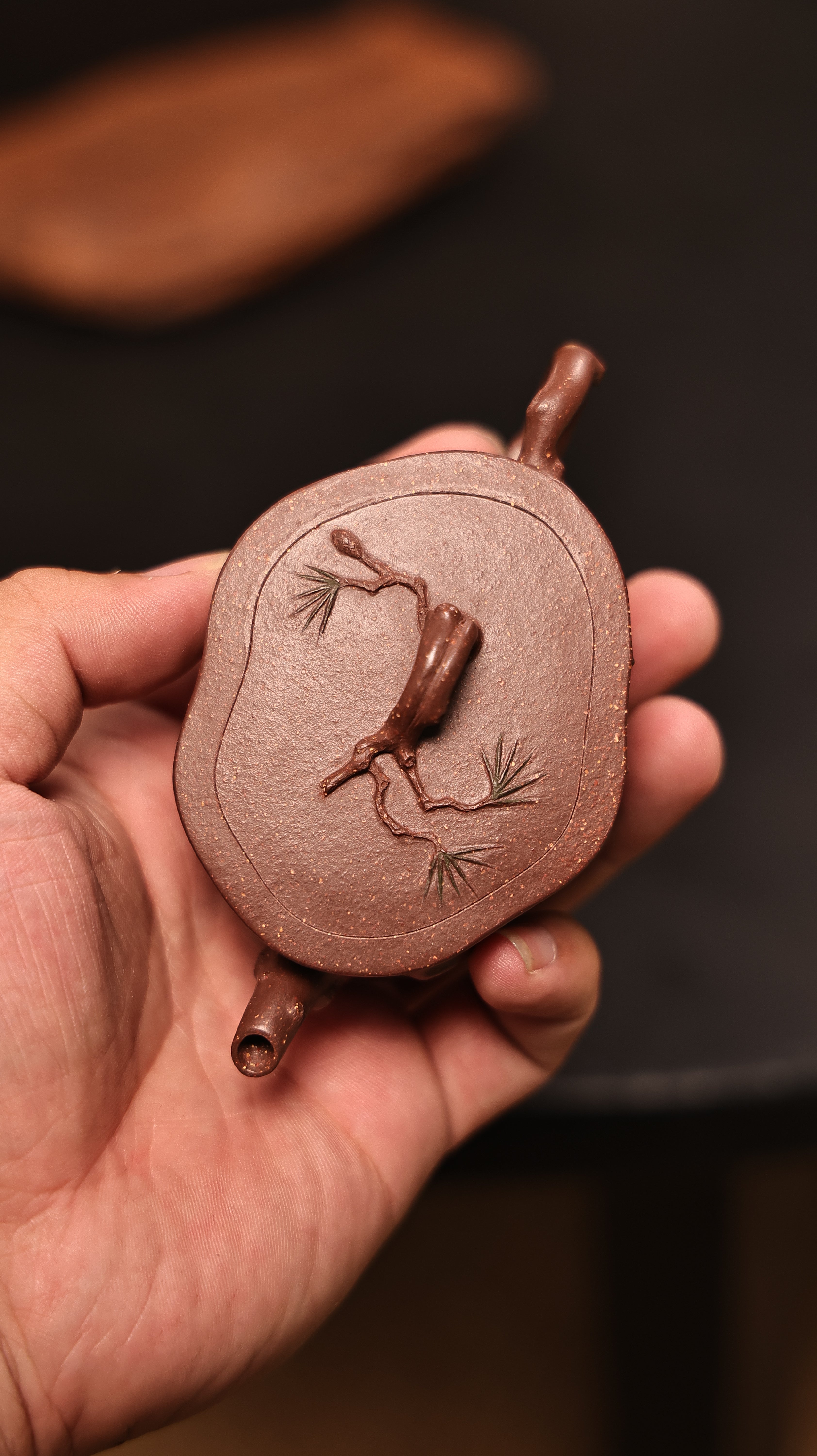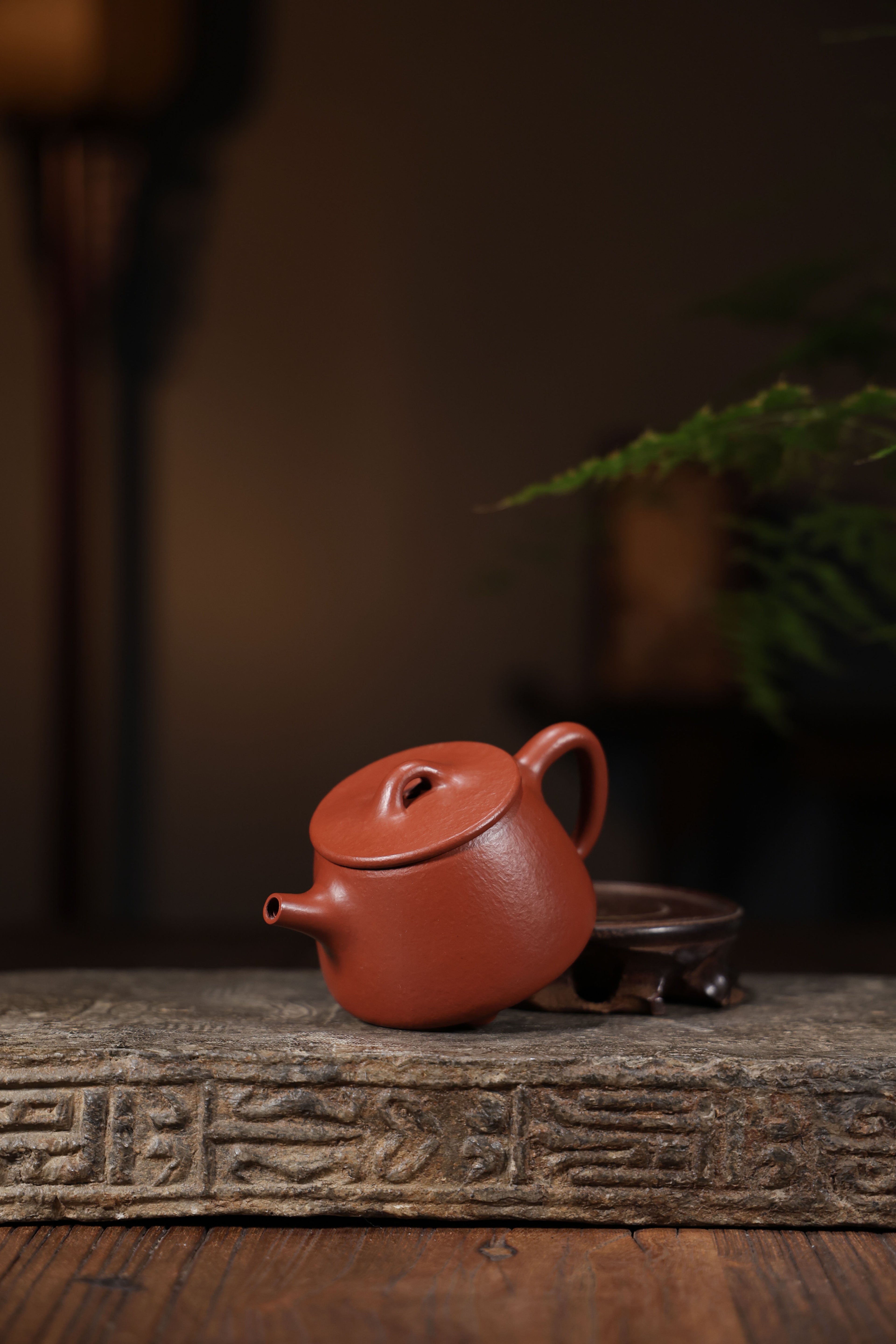
Within the sphere of enduring traditions,
Over periods, aficionados have been fascinated by the unique charm of Yixing Zisha kettles. Originating from the locality of Yixing in the mainland, these pots are renowned for their remarkable beauty, limited clay, and natural ability to augment the essence of the liquor. The element's distinctive auburn hue, combined with the proficient manufacture of provincial builders, creates works that are jointly functional objects and treasured financial interests. Securing a Zisha teapot is more than just specific purchase; it's seizing a rich ethnic heritage.
Grasping Yixing Teapots: Chronicles, Kinds, and Significance
Yixing region's teapots embody a fascinating tradition deeply intertwined with Chinese culture. Originating in the Yixing region of Jiangsu province, these clay vessels carry a heritage connecting back to the Ming Dynasty. Preliminary examples were functional, but amidst centuries, Yixing teapot manufacturing evolved into an esteemed art form. The clay itself, known for its unique texture and ability to improve the flavor of the tea, lasts a defining factor. Yixing teapots emerge in various patterns, broadly categorized by shape: Conventional such as Zhuni (purple clay) and Bisheng, as well as more designs. The significance of a Yixing teapot rests on several factors, including the potter’s name, the age of the piece, the rarity of the clay, and its aesthetic appeal.- Account: Old ages
- Substance: Bisheng
- Value Factors: Uniqueness
Zisha Pot Excellence: Skills and Artisans
Distinct formation of a authentic Zisha teapot is a complex process, requiring years of competency. Expert artisans meticulously choose the prime Zisha clay, a rare earth found only in specific regions of China. Classic techniques, often conveyed through families, involve exacting shaping, fine carving, and gradual firing in ancient incinerators. The ultimate teapot isn't merely a object; it's a testament to innovative vision and the deep connection between the creator and their heritage. Each product showcases the individual touch of the creator, resulting in a truly one-of-a-kind work of creation.
Chinese Earthenware: Exploring the Extensive Traditions of the Yixing Locality
Yixing, positioned in Jiangsu the jurisdiction, is universally renowned for its exceptional containers – a tangible representation of centuries of Chinese craft. These aren't merely Zisha Teapot vessels for infusing tea; they are intricate works of craft, often reflecting spiritual ideals. Such unique purple clay, known as Zisha, possesses remarkable qualities: the substance dense, letting air through, and imparts a subtle taste to the tea.
- Countless bloodlines have honed the techniques of Yixing pot making, passing down preserved methods through times.
- Collectors prize these pieces for their appearance and oddity.
- Particular vessel tells a legend, connecting the recipient to a rich past.
Engaging in Yixing Zisha: Vital Indicators
When looking into buying Yixing Zisha ceramics, several distinct components demand careful evaluation. First of all, the substance's pigment is essential; authentic Zisha typically exhibits a unique reddish cast. Additionally, investigate the execution; meticulous elements and a flawless layer manifest competent construction. Finally, research the artist’s history; celebrated names fetch greater values and often provide a more investment.
Brewing Excellence with Zisha Teapots
Crafting tasty tea with a Zisha pot is more exceeding a simple ritual; it's an art. Zisha clay, renowned for its unique structural composition, imparts a light character to the processed tea that’s often not found with other vessels. The correct water heat is key; typically, subdued than what's used for black tea, to conserve the tea's perfume and palate. Consider thoroughly the tea form; delicate green teas or aged pu-erhs prosper from the Zisha’s ability to ease their intrinsic edge. It’s important to purify the teapot preceding brewing, and to refrain from over-steeping. Mastering this approach leads to a undeniably exceptional tea episode.
- Learning Zisha Clay
- Thermal Condition of Water & Tea Type
- Essence of Tempering
Looking After Your Distinctive Clay Pot
Intending to maintain the existence of your treasured Yixing earthenware, consistent preservation is absolutely mandatory. Avoid using soap; instead, lightly clean it with pleasantly heated moisture. Steer clear of sharp shifts; refrain set the urn directly onto a scorching surface. Periodically, enhance the clay pot by percolating it with fine matured brew, as this facilitates to enhance its nature and safeguards the peculiar attributes of the component.
From Earth to Cup: The Course of a Classic Brewing Device
Such creation of a Zisha teapot is a astonishing operation, a testament to both the world's bounty and the mastery of the maker. It launches with the careful extraction of the singular clay from the burgundy Zisha mines near Yixing. This untreated material, known for its superlative characteristics, is then deliberately distilled and prepared for the original forming. The urn’s shape is carefully built using a concoction of ancient modeling systems, often incorporating sophisticated patterns. Following maturing, the urn undergoes a paramount first firing, followed by a coating stage, which might involve several different layers of authentic Zisha films. Finally, a second, and sometimes third, firing at high temperatures perfects the artifact, revealing its perfected beauty and superlative characteristics - a veritable masterpiece, ready to enhance a tea gathering.
{Yixing Teapots: A Token of the Custom and Tribute
Famous Yixing teapots, originating from the noted Yixing region of Jiangsu province, are far more than mere vessels for brewing the beverage; they represent a deep aspect of Chinese artistry. Formed from distinctive purple clay – zisha – these singular teapots are highly coveted for their ability to boost the flavor of the tea and, crucially, for their loveliness. The record of Yixing teapot making spans centuries, and the talent involved is bequeathed through generations, making each teapot a craftwork that embodies heritage-bound techniques and a profound appreciation for the elegant pleasures in life.