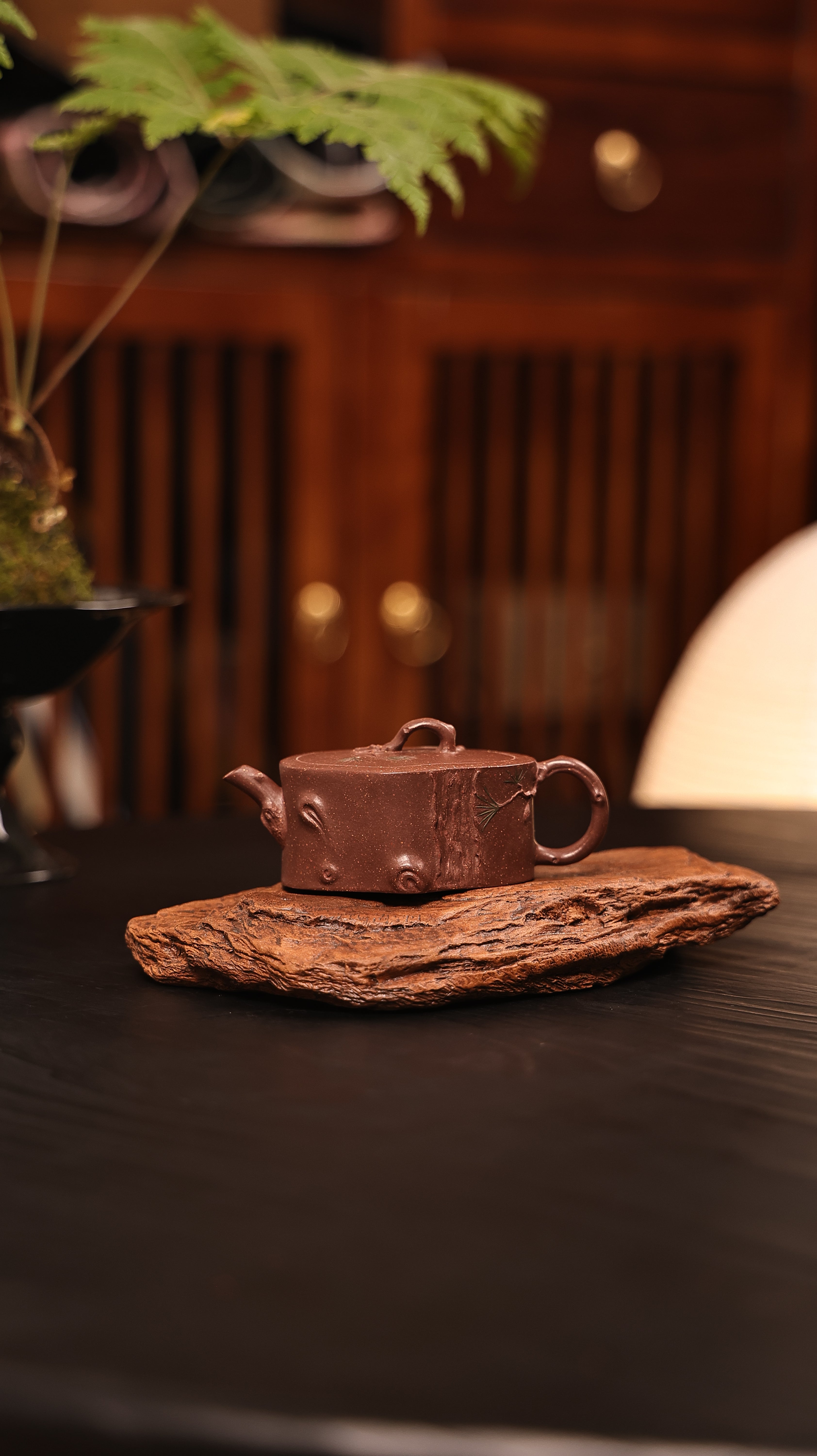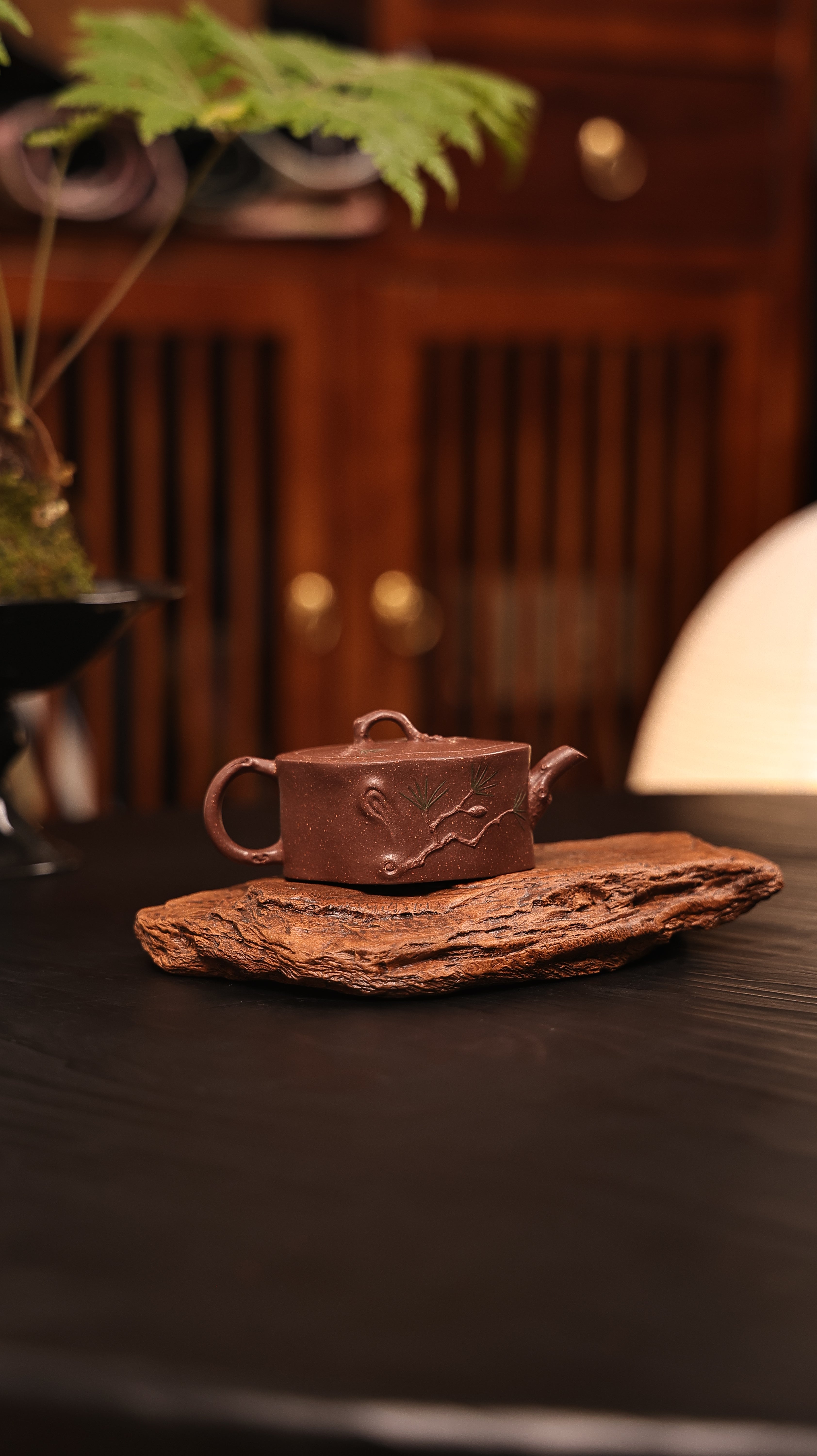
Across the expanse of historic epochs,
Amidst generations, heritage seekers have been captivated by the exceptional charm of Yixing Zisha pots. Originating from the zone of Yixing in the Jiangsu Province, these artifacts are renowned for their distinguished beauty, unusual clay, and fundamental ability to elevate the bouquet of the steeping. The substratum's distinctive purple-red hue, combined with the masterful fabrication of territorial builders, creates works that are at once functional productions and costly financial interests. Obtaining a Zisha teapot is more than just such a purchase; it's inviting a rich civilizational heritage.
Investigating Yixing Teapots: Ancestry, Forms, and Merit
The notable Yixing teapots stand as a profound past deeply intertwined with Chinese culture. Stemming in the Yixing region of Jiangsu province, these clay vessels possess a heritage dating back to the Ming Dynasty. Former examples were functional, but through centuries, Yixing teapot creation evolved into an esteemed art form. The clay itself, known for its unique grain and ability to influence the flavor of the tea, remains a defining factor. Yixing teapots materialize in various kinds, broadly categorized by shape: Standard such as Zhuni (purple clay) and Bisheng, as well Yixing Teapot as unique designs. The worth of a Yixing teapot centers on several factors, including the potter’s standing, the age of the piece, the rarity of the clay, and its aesthetic allure.- Origins: Ming Dynasty
- Element: Diverse kinds
- Valuation Parameters: Historical period
Zisha Teapot Mastery: Techniques and Potters
Such creation of a true Zisha teapot is a demanding process, requiring decades of knowledge. Experienced artisans meticulously select the best Zisha clay, a rare earth found only in specific regions of China. Heritage-based techniques, often handed down through families, involve precise shaping, fine carving, and slow firing in ancient calcining chambers. The ultimate teapot isn't merely a object; it's a testament to imaginative vision and the deep connection between the creator and their heritage. Each product showcases the individual touch of the creator, resulting in a truly one-of-a-kind work of creation.
Chinese Earthenware: Exploring the Abundant Inheritances of Yixing Area
Celebrated Yixing, nestled in Jiangsu the expanse, is widely renowned for its exceptional cookware – a tangible representation of centuries of Chinese art. These aren't merely vessels for making tea; they are intricate works of creativity, often reflecting cultural ideals. That unique purple clay, known as Zisha, possesses uncommon qualities: it is dense, absorbent, and imparts a subtle tone to the tea.
- Numerous households have honed the techniques of Yixing earthenware making, passing down traditional methods through eras.
- Fans prize these pieces for their aesthetic and infrequency.
- Various piece tells a tale, connecting the partaker to a rich legacy.
Entering Yixing Zisha: Key Considerations
During analyzing get Yixing Zisha teapots, multiple considerations call for careful inspection. Preliminarily, the clay’s hue is important; authentic Zisha ordinarily exhibits a evident maroonish gradient. As well, examine the craftsmanship; precise features and a elegant texture demonstrate expert fabrication. In conclusion, examine the craftsman's standing; well-known names obtain superior costs and often deliver a stronger return.
How to Brew Premium Tea with Zisha Clay
Creating sumptuous tea with a Zisha jar is more beyond a simple procedure; it's an mastery. Zisha clay, known for its unique earthen composition, imparts a subtle character to the made tea that’s often deficient with other utensils. The ideal water warmth is essential; typically, lower than what's used for black tea, to sustain the tea's odor and character. Consider attentively the tea variety; delicate green teas or aged pu-erhs advance from the Zisha’s ability to calm their innate edge. It’s necessary to warm the teapot leading up to brewing, and to eschew over-steeping. Mastering this practice leads to a genuinely exceptional tea phenomenon.
- Appreciating Zisha Clay
- Warming Level & Variety of Tea
- Criticality of Initial Heating
Maintaining Your This Teapot
In an effort to secure the longevity of your adored Yixing kettle, regular management is truly key. Abstain from using detergent; instead, tenderly flush it with warm aqueous substance. Steer clear of unexpected shifts; refrain set the urn directly onto a scorching support. Periodically, enhance the teapot by soaking it with high-quality fermented brew, as this supports to develop its essence and protects the singular qualities of the medium.
With respect to Material to Receptacle: The Process of a Traditional Pot
Such creation of a Zisha teapot is a remarkable procedure, a indication to both the land’s bounty and the finesse of the craftsperson. It originates with the exact extraction of the special clay from the burgundy Zisha mines near Yixing. This untreated material, known for its superlative qualities, is then deliberately distilled and prepared for the original forming. The jug's shape is carefully developed using a concoction of ancient modeling systems, often incorporating sophisticated patterns. Following maturing, the jar undergoes a indispensable first firing, followed by a coating stage, which might involve numerous layers of authentic Zisha paints. Finally, a second, and sometimes third, firing at high temperatures completes the work, revealing its perfected beauty and superlative characteristics - a veritable masterpiece, primed to grace a tea ritual.
{Yixing Teapots: A Token of the Custom and Tribute
Legendary Yixing teapots, originating from the noted Yixing region of Jiangsu province, are far more than mere jars for brewing tea; they represent a profound aspect of Chinese customs. Made from distinctive purple clay – zisha – these remarkable teapots are highly treasured for their ability to complement the flavor of the tea and, crucially, for their artistic merit. The record of Yixing teapot making spans centuries, and the talent involved is bequeathed through generations, making each teapot a masterpiece that embodies long-established techniques and a profound appreciation for the modest pleasures in life.