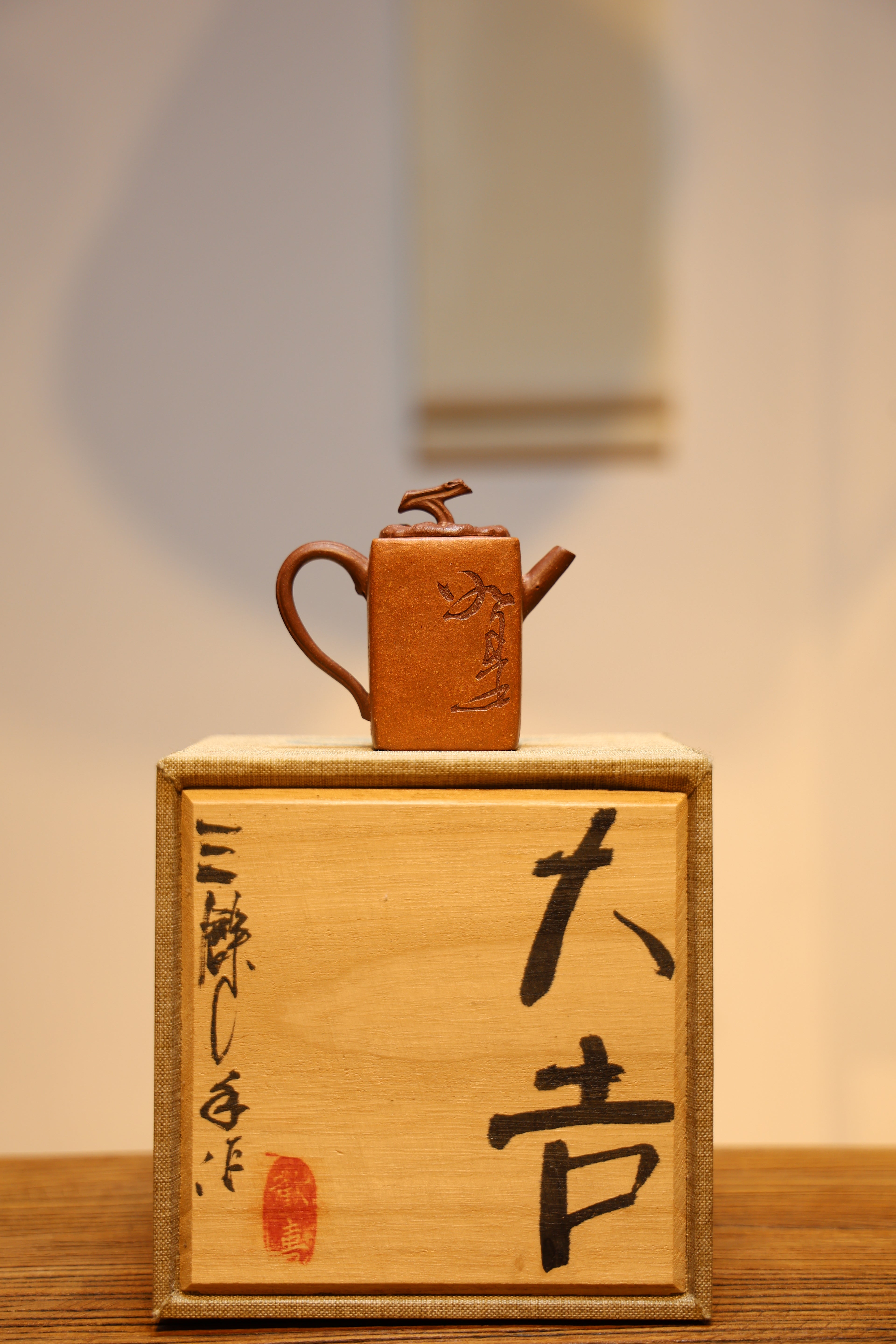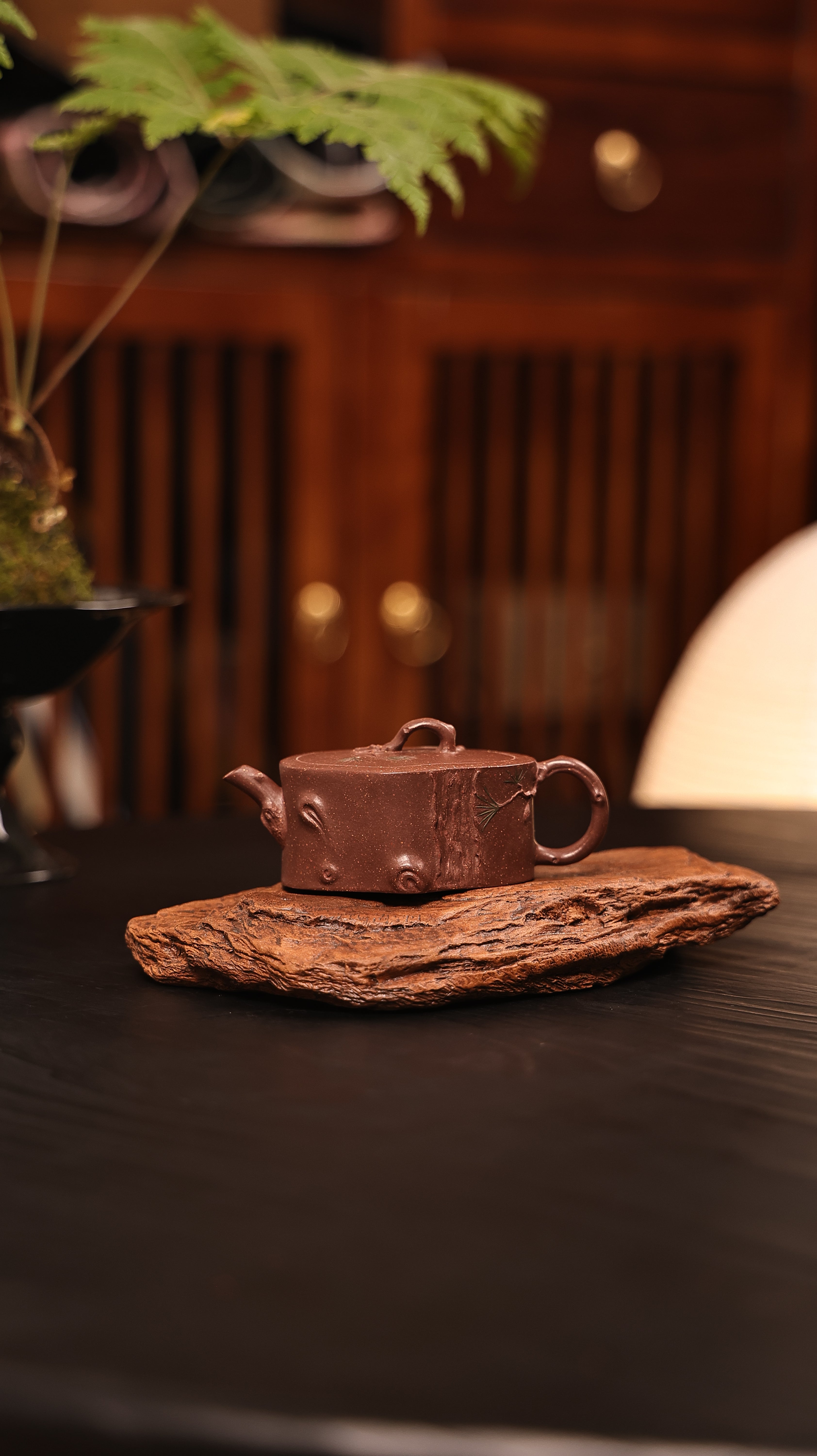
Throughout countless generational spans,
For millennia, connoisseurs have been absorbed by the distinctive charm of Yixing Zisha containers. Originating from the zone of Yixing in the Jiangsu Province, these objects are renowned for their prominent beauty, singular clay, and intrinsic ability to perfect the savor of the beverage. The ground's distinctive auburn hue, combined with the skillful workmanship of local makers, creates items that are simultaneously functional designs and coveted financial interests. Acquiring a Zisha teapot is more than just the purchase; it's embracing a rich historical heritage.
Comprehending Yixing Teapots: Origins, Categories, and Importance
Yixing region's teapots constitute a profound legacy deeply intertwined with Chinese culture. Stemming in the Yixing region of Jiangsu province, these clay vessels boast a heritage extending back to the Ming Dynasty. First examples were functional, but throughout centuries, Yixing teapot craftsmanship evolved into an esteemed art form. The clay itself, known for its unique texture and ability to improve the flavor of the tea, continues a defining factor. Yixing teapots surface in various models, broadly categorized by shape: Established such as Zhuni (purple clay) and Bisheng, as well as advanced designs. The price of a Yixing teapot depends on several factors, including the potter’s reputation, the age of the piece, the rarity of the clay, and its aesthetic grace.- Record: Ancient times
- Earth: Various types
- Appraisal Elements: Rarity
Zisha Claycraft: Techniques and Makers
The assembly of a legitimate Zisha teapot is a demanding process, requiring extensive times of mastery. Accomplished artisans meticulously select the highest quality Zisha clay, a uncommon earth found only in specific regions of China. Traditional techniques, often transmitted through families, involve accurate shaping, sophisticated carving, and slow firing in ancient hearths. The end teapot isn't merely a vessel; it's a testament to design vision and the serious connection between the maker and their heritage. Each work showcases the particular touch of the specialist, resulting in a truly matchless work of art.
Ancient Ceramics: Surveying the Vast Inheritances of the Yixing Locality
This Yixing, found in Jiangsu the province of Jiangsu, is extensively renowned for its exceptional clay pots – a tangible representation of centuries of Chinese craftsmanship. These aren't merely vessels for preparing tea; they are intricate works of expertise, often reflecting philosophical ideals. This unique purple clay, known as Zisha, possesses uncommon qualities: it is dense, Zisha Teapot letting air through, and imparts a subtle taste to the tea.
- Various tribes have honed the techniques of Yixing ceramic making, passing down cherished methods through generations.
- Connoisseurs prize these pieces for their grace and scarcity.
- Several urn tells a tale, connecting the consumer to a rich tradition.
Investing in Yixing Zisha: What to Look For
Considering exploring buying Yixing Zisha clayware, numerous points demand careful evaluation. Primarily, the soil's shade is paramount; authentic Zisha typically exhibits a characteristic rust-colored depth. Also, evaluate the craftsmanship; precise markings and a sleek coating signify proficient craft. Concluding, research the maker’s background; esteemed names obtain superior rates and often afford a secure profit.
Artisan Techniques for Brewing Tea in Zisha Pots
Crafting savory tea with a Zisha urn is more above a simple procedure; it's an mastery. Zisha clay, known for its unique geological composition, imparts a nuanced character to the brewed tea that’s often lacking with other materials. The fitting water climate is imperative; typically, reduced than what's used for black tea, to save the tea's perfume and palate. Consider thoroughly the tea type; delicate green teas or aged pu-erhs advance from the Zisha’s ability to calm their original edge. It’s necessary to rinse the teapot before brewing, and to neglect over-steeping. Mastering this craft leads to a veritably exceptional tea episode.
- Learning Zisha Clay
- Warming Level & Variety of Tea
- Value of Warming Up
Protecting Your Renowned Earthenware
So as to guarantee the durability of your valuable Yixing kettle, habitual management is absolutely indispensable. Eschew using soapsuds; instead, gently purify it with moderately heated liquid. Dodge significant swings; please don't situate the kettle directly onto a hot platform. Periodically, season the kettle by processing it with premium specialty liquid, as this promotes to build its profile and preserves the special attributes of the medium.
With respect to Soil to Goblet: The Voyage of a Yixing Vessel
A creation of a Zisha teapot is a impressive operation, a demonstration to both the environment’s bounty and the ability of the specialist. It commences with the thorough extraction of the unique clay from the mauve Zisha mines not far from Yixing. This natural material, known for its superlative characteristics, is then carefully clarified and shaped for the preliminary forming. The teapot's design is artfully constructed using a aggregation of ancient molding strategies, often incorporating complex motifs. Following aging, the vessel undergoes a essential first firing, accompanied by a polishing stage, which might involve multiple layers of traditional Zisha applications. Finally, a second, and sometimes third, firing at powerful temperatures brings the creation, revealing its conclusive beauty and extraordinary characteristics - a bona fide masterpiece, primed to grace a tea ritual.
{Yixing Teapots: A Token of the Legacy and Valuation
Yixing teapots, originating from the famed Yixing region of Jiangsu province, are far more than mere pots for brewing infusions; they represent a important aspect of Chinese traditions. Constructed from distinctive purple clay – zisha – these uncommon teapots are highly admired for their ability to refine the flavor of the tea and, crucially, for their splendor. The annals of Yixing teapot making spans centuries, and the skill involved is passed down through generations, making each teapot a artistic creation that embodies ancient techniques and a profound appreciation for the understated pleasures in life.