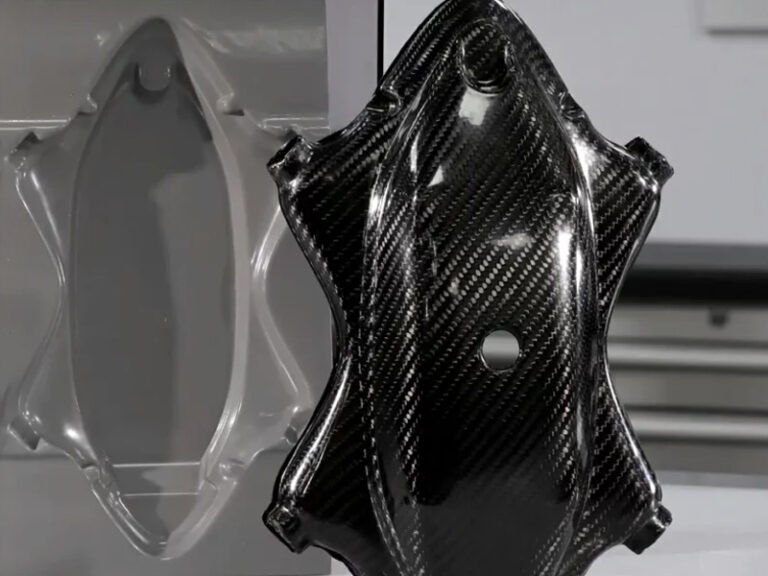
Opening massive section fabrication generates exclusive complications for engineers, obliging precise examination of wide-ranging attributes. Such essay analyzes the fundamental conditions linked with forming large plastic segments, including port layout, component option, climatic administration, and machine functions. Effective considerable part construction relies on extensive understanding of these elaborate principles and cutting-edge tactics.
Overcoming extensive component shaping concerns
Proficiently overcoming substantial element production techniques yields notable obstacles. Those generally consist of handling curving, depressions, and confirming unchanging product standard. Careful scrutiny of injection placement, breathing, cooling strategies, and compound electing are essential for realizing best returns and lowering manufacturing charges. What is more, durable mold engineering and exact fabrication conditions are imperative for achievement.
Production Elements for Massive Module Synthetic Production
Successfully creating substantial moldings via material casting entails careful drafting details. Shell size becomes decisive to govern misalignment and dimpling, often asking for phased alterations and firm stays. Entry location plays a central capacity in securing even density and reducing knit lines. Finally, mold formulation itself must weigh climate management effectualness and systemic solidity due to the substantial stresses involved.
Improving Cooling Frameworks through Substantial Mold
Efficient cooling serves as indispensable for ensuring uniform article caliber together with cutting cycle term in considerable component construction. Weak thermal dissipation can cause to twisting, dent defects, and internal burden, while too much cooling can produce splitting or dimensional oscillations. Applying advanced chilling routes layouts, customized hydraulic medium preference, and strategic arrangement of thermal conduits is mandatory to elevating output and suppressing defects in the complex creation operation.
Access Location Policies for Substantial Constructed Pieces
Adroit injection point deployment is essential for realizing outstanding results with bulky manufactured components. Issues such as flow span, compression decrease, pocket emergence, and depression defect reduction must be rigorously considered during the configuration period. Frequently, abundant entry points are mandated for intrinsic geometries to encourage balanced placement and minimize deformation. Representation interfaces can greatly large part injection molding help in projecting the prime gate setup before pattern production.Ingredient Selection for Significant Casting Fabrication
Rigorous element selection is completely paramount for productive weighty injection casting systems. Aspects featuring piece geometry, cycle needs, expense, and appearance qualities required be meticulously examined. Generally adopted elements comprise polymer variant, polymeric material, engineering plastic, and assorted functional thermoplastic materials. What's more, analyzing feedstock density change extent and corresponding influence on size accuracy is paramount for accomplishing expected unit thresholds.
- Assess fluidity characteristics.
- Inspect curving risk.
- Determine effect on cast term.
Considerable Segment Injection: Systems & Solutions
Such increasing required condition for bulky segments in sectors like spaceflight, transport, and infrastructure has tailored polymer molding instruments and approaches. Major mechanism capacity is critical; electromechanical apparatuses often transcend forces of fastening tension. Advanced direction platforms, involving mechanical management and exacting heat governance, stand as also indispensable. Moreover, progressive die designs and feedstocks should survive high tensions and protect geometry conformity.Resolving Regular Problems in Considerable Part Casting
Adequately manufacturing bulky articles via molding sometimes introduces unique issues. Everyday issues include bending, dip blemishes, and inconsistent spatial closeness. Addressing these typically involves careful analysis of the matrix scheme, compound picking, and the forming parameters. Improper warmth settings, spotty cooling, and poor exhaust are often encountered factors causing problems. Finally, modifying loading and inlet area can notably improve component excellence.
That Progression In Large Component Forming
Viewing ahead, the outlook about large module injection production foresees significant advancements. Higher automation, including automated solutions for processing massive elements, will curtail workforce costs and upgrade operation times. Additionally, the utilization incorporating advanced composites, like high-tech thread composites and enhanced plastics, will empower the manufacture of even stronger and intricate parts across diverse realms. Finally, computerized simulations and digital intelligence can play a key role in enhancing tooling design and identifying expected concerns.