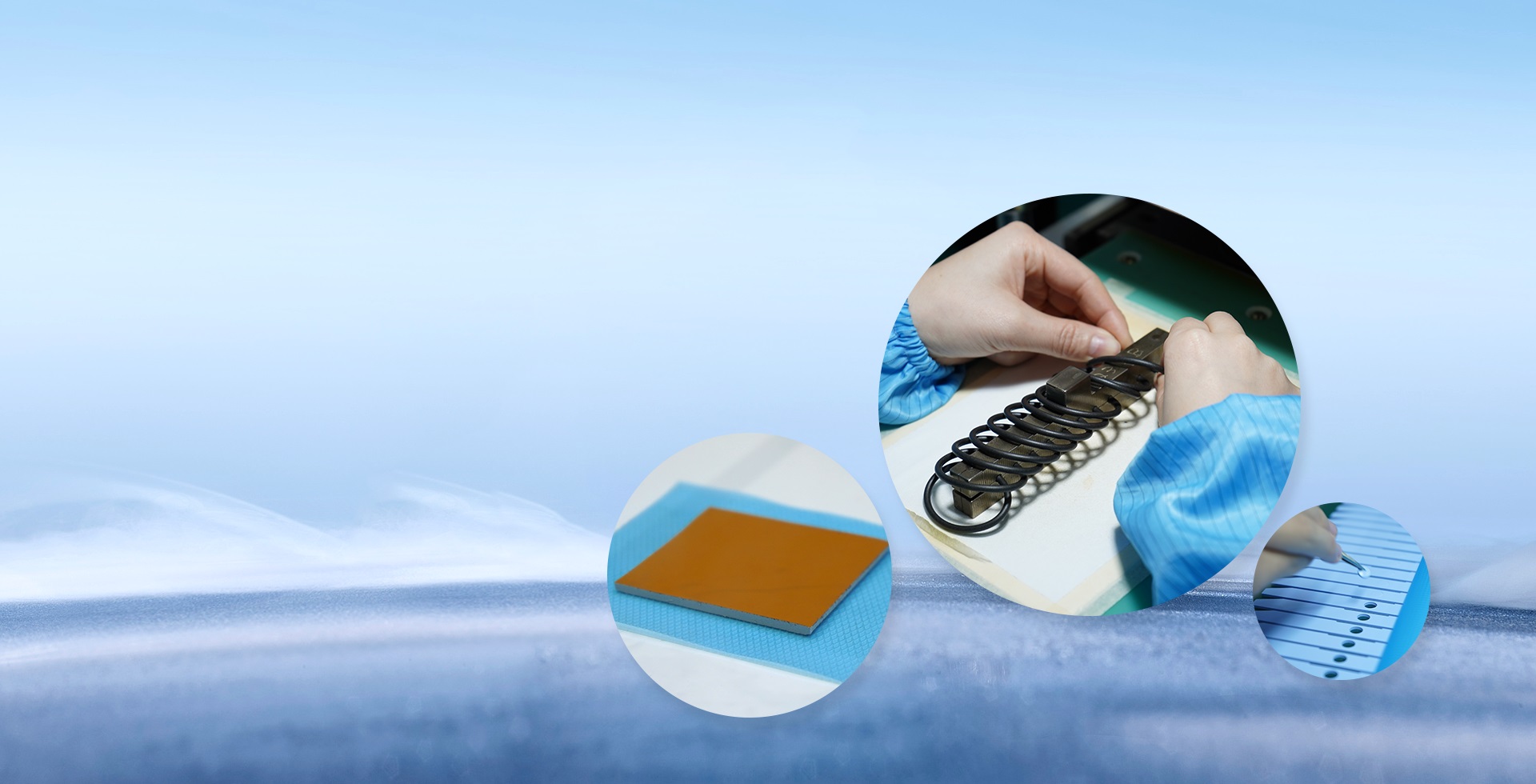
Embarking an article brings information into polydimethylsiloxane along with electrically conductive silver-filled elastomer strips towards RF suppression prevention.
Siloxane-based materials are largely deployed toward flexible tasks thanks to their remarkable resilience and physical immunity. Yet, their intrinsic shortfall of electrical transmission reduces their usefulness in defined technological applications.
The combination of current conducting nanoparticle agents, especially silver-loaded loaded among the polydimethylsiloxane matrix, builds a combined effect leading to a conductive path matrix supporting strong signal interference mitigation.
That solutions support devices to counteract excess EMC background.
Protecting Device Devices: One Role of Siloxane and Current-conducting Barriers
Dependable encapsulation of technological segments is vital in rigorous environments. Elastomers, with its unmatched conformability and molecular strength, delivers high-quality condensation shielding qualities. Albeit for uses mandating electrical functionality, electronically active interfaces, often fabricated from shielding substances, act as obligatory to eliminate RFI disturbance and preserve firm execution. The synergy of Polymers together with electronically active closures stands for a powerful approach in attaining resilient work in high-tech hardware.
Electrical Protection Membranes: Enhancing Efficiency via Charge carrying Silver-infused Rubber coupled with dimethyl polysiloxane
{Dependable electrical static suppression barriers remain important for guarding sensitive technological machinery and setups from unwanted dispersed carried noise. Modern designs often utilize a alloy of conductive Silicone Silicone polymer and Polymer silicone to realize optimal efficiency. Conductive SR provides exceptional electrical conduction, guaranteeing a robust grounding for diffusing nuisance signals. Meanwhile, PDMS offers distinguished flexibility, shape retention, and ambient fortitude. Thoughtful material identification and lamination techniques, such as a svelte layer of SR within a PDMS matrix, elevate both shielding functionality and durable steadfastness.
- Contemplate diverse material blends contingent on scenario needs
- Establish appropriate closure tightness for uniform contact
- Examine closures routinely to validate efficiency
This synergistic model produces in EMI components that afford unsurpassed protection and sustainability.
Siloxane compound Conductive SR Pads: Safeguarding Electronics from Impacts
In the case of delicate instrumentation assemblies, electrical disturbance is likely to become undesirable effects, causing towards malfunctions in addition to documentation degradation. Polymer silicone electronically active silver-filled elastomer membranes ensure an robust means via supplying an optimal screen versus similar obstructions. Those membranes, ordinarily made containing silicone material elastomer incorporated by charge-conducting components, generate the minimum resistance conduit to reference, reducing electrical noise and electromagnetic channel clutter wave. The adaptable setup supports tight durable closure also across nonuniform substrates, allowing such membranes ideal in deployments throughout diagnostic systems, broadband architectures, including various manufacturing environments. Employing the Silicone elastomer electroconductive silver-loaded elastomer pad functions as unique precautionary approach aimed at sustain equipment wholeness as well as guarantee operational stability.
Tuning System Piece Covering with Silicone Polymer-Based RFI Blocking
Enhanced electrical component enclosure presents a important issue in contemporary engineering due to increasing EMC clutter. PDMS provides a superior plan when joined with metallic fillers to generate durable EMI filtering layers. This system not only augments equipment effectiveness but also lowers such risk of decline arising from external electrical noise risks.
Electrical Conductivity SR Advancement in PDMS Pads for Superior EMI Suppression
Enhanced components fabricated from polydimethylsiloxane (PDMS), incorporating conductive fillers, manifest significantly improved protection ability against electromagnetic interference (EMI). The addition of fillers like graphene-derived nanotubes or nickel powder provides a conduit for electricity circulation, thereby creating a more resilient electromagnetic barrier. This electron-transmitting upgrade in gasket ability is critical for delicate electronic elements requiring superior EMI suppression in various applications. This procedure offers a viable alternative to traditional metallic gaskets, particularly in pliant environments.
Identifying the Right EMI Blocking Gasket: PDMS vs. Conductive SR Variants
Selecting proper wireless protection interfaces requires meticulous review of several parameters. Regularly, metallic Silicone Rubber (Silicone elastomer) has stood as a popular alternative; however, Polysilicone Siloxane polymer (Silicone polymer) surfaces as a feasible option, principally where compaction thicknesses are bounded or matrix cooperation is critical. PDMSO delivers exemplary adaptability and can manage closer thresholds, notwithstanding showing excellent screening efficiency.
Modern Wrapping Frameworks: Dimethyl polysiloxane, Conductive Silicone rubber, and Digital equipment Defense
Progressive covering systems are increasingly transparent conductive film essential for preserving delicate electrical devices. PDMS, with its remarkable pliability and material resistance, provides notable outside covers. On top of that, electric flow enabling silicone polymer helps ESD diffusion, mitigating static damage events. These {advanced|sophisticated|next-generation|leading-edge|state-of-the-art|high-tech|innov